A storage unit is useful when your belongings are protected, organized and easy to retrieve. Whether you are storing items between moves, making room during a renovation or keeping seasonal belongings out of the way, plan the space before the first box goes in.

Plan What Needs to Go into Storage
Start by separating items you genuinely need to store from things you can donate, sell, recycle or dispose of responsibly. The less you store, the easier it is to organize and keep track of your belongings.
Estimate how much space furniture and boxes will occupy. If you are using a storage provider, confirm the unit size, access arrangements, security provisions, charges and any restrictions before moving items in.
Create a Floor Plan and Leave Access Routes
Sketch a simple layout before loading. Decide where furniture, labelled boxes and fragile items will go. Leave a clear walkway from the entrance to the items you may need to retrieve.
- Put frequently needed belongings near the entrance.
- Group boxes by room or category.
- Keep a clear route to the back of the unit.
- Leave access to doors, vents and any required safety equipment.
Use Vertical Space Safely
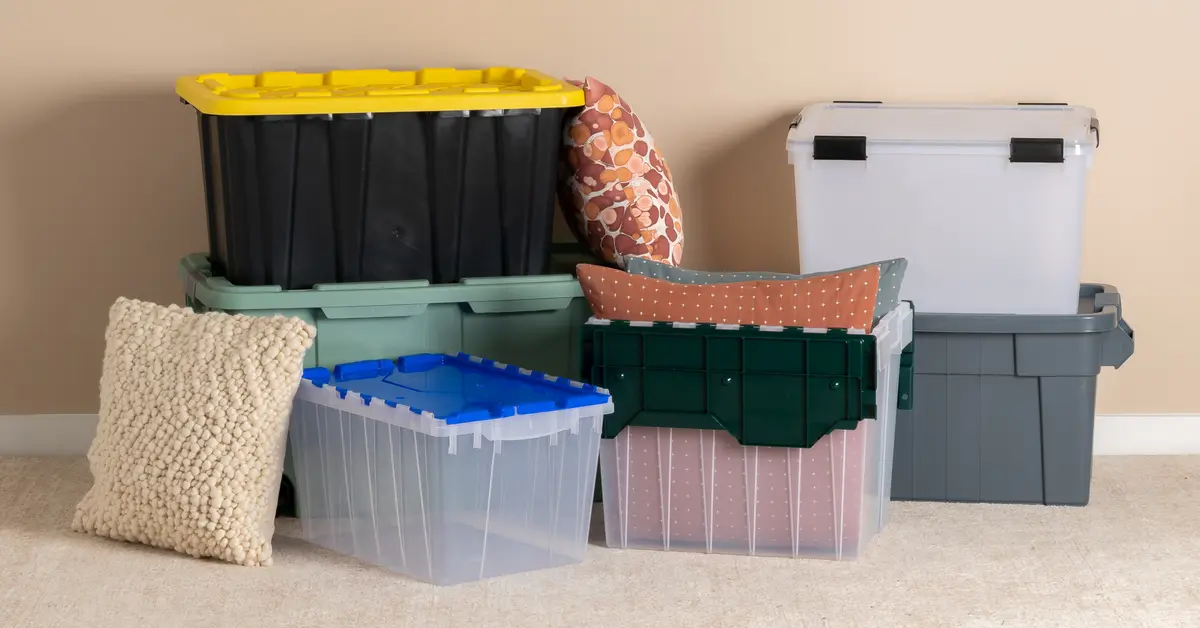
Stacking can save floor space, but a tall unstable pile can damage belongings or injure someone. Put strong, heavier boxes at the bottom and lighter boxes above them. Keep stacks level and within safe limits for the cartons and shelving.
- Use sturdy shelving designed for the expected load.
- Do not place heavy items on fragile cartons.
- Avoid leaning unstable furniture or boxes against one another.
- Keep heavy objects low enough to lift safely.
Label Boxes and Keep an Inventory
Label more than just the top of each carton. Include the room, a brief description of the contents and a box number. Mark fragile items clearly, but do not rely on a label alone to protect them.
Keep a digital or written inventory with:
- Box number and general contents.
- Date the item was placed in storage.
- Its location within the unit.
- Special handling notes, such as fragile or keep dry.
Photograph valuable belongings and keep a copy of the inventory somewhere separate from the storage unit. This makes it easier to locate items and check what was stored.
Protect Furniture and Belongings from Dust and Damage
Clean and dry items before storing them. Dust, food residue and dampness can attract pests or contribute to unpleasant odours and damage over time.
- Use breathable furniture covers where appropriate; avoid trapping moisture under tightly wrapped plastic.
- Protect corners, glass surfaces and delicate finishes with suitable padding.
- Store mattresses and upholstered furniture according to the manufacturer's guidance.
- Make sure appliances are empty, clean and completely dry before storage.
- Keep items away from direct sunlight, heat sources and any signs of water ingress.
Manage Moisture, Mould and Pests
Moisture is one of the main risks to stored household belongings. Damp cartons, fabrics and wooden furniture can develop mould or become damaged. Check the unit for leaks, condensation, damp smells and visible mould before using it.
- Never pack or store items while they are wet or damp.
- Raise boxes and furniture off the floor using suitable shelving or pallets where appropriate.
- Allow airflow around stored furniture instead of packing everything tightly against walls.
- Use moisture absorbers only as directed and check or replace them when necessary.
- Inspect stored belongings periodically, especially during prolonged storage or wet weather.
- Keep food crumbs, rubbish and other pest attractants out of the unit.
Do not assume a sealed plastic container or a moisture absorber will solve an existing damp problem. Address the source of moisture and use a suitable dry storage environment.
Store Different Materials with Care
- Wooden furniture: Clean and dry it first, protect surfaces from scratches and avoid damp conditions.
- Clothing and fabrics: Wash and dry them thoroughly before packing in clean, suitable containers.
- Books and documents: Use sturdy cartons, avoid overfilling and keep them away from moisture.
- Electronics: Follow manufacturer storage guidance, protect screens and keep equipment dry and secure.
- Glass and artwork: Use individual padding, strong packaging and a location where heavy items cannot fall onto them.
Keep Important Belongings Accessible
Place items you may need sooner near the entrance and record their location in your inventory. Keep essential documents, identification, cash, jewellery, keys and everyday medication with you rather than putting them into general storage.
Before storing valuables, check the provider's security arrangements, insurance terms and exclusions. Do not assume that every storage facility accepts high-value or sensitive items.
Check Storage Rules and Restricted Items
Ask the storage provider for its written list of prohibited or restricted goods. Common items that should not go into ordinary household storage include:
- Perishable food and items that may attract pests.
- Fuel, gas cylinders and flammable liquids.
- Explosives, corrosive substances and hazardous chemicals.
- Leaking batteries or other materials requiring specialist handling.
- Living plants or animals.
Medicines, identity documents, cash and irreplaceable valuables are generally better kept securely with you, not in a storage unit.
Storage Preparation Checklist
- Sort belongings and decide what genuinely needs storage.
- Confirm unit size, access, security, fees and storage restrictions.
- Clean and dry items before packing.
- Use suitable cartons, protective materials and clear labels.
- Prepare an inventory and photograph valuable belongings.
- Plan safe stacking and leave an accessible walkway.
- Keep boxes and furniture away from damp floors and direct sunlight.
- Arrange periodic checks if belongings will remain stored for a long time.
Frequently Asked Questions
Should I put boxes directly on the storage floor?
It is generally safer to raise cartons off the floor using suitable shelving or pallets, particularly where moisture is a concern. First check that the floor is dry and that the supports are stable.
Is plastic wrapping suitable for all furniture?
No. Plastic can trap moisture if furniture is not completely dry or if airflow is restricted. Choose a suitable cover for the material and storage conditions.
How often should I inspect my stored belongings?
Check them periodically, with more frequent checks if the unit is exposed to changing humidity, has had moisture problems or contains sensitive items. Follow the storage provider's access rules.
Can I store food, fuel or chemicals in a household storage unit?
Do not place these items in ordinary storage. Food can attract pests, while fuel and chemicals can create fire, health or contamination risks. Always follow the provider's prohibited-items policy.
Does SmilesKenya automatically provide a storage unit with a move?
Moving and storage are separate arrangements. Contact SmilesKenya to discuss your moving requirements and ask whether suitable storage arrangements are available for your situation.
Good storage starts with planning, careful packing and regular checks. If you are preparing for a move, our moving checklist can help you organize the work before moving day.
Learn about our house-moving service, or contact SmilesKenya on WhatsApp to discuss your requirements.