Long-term storage is more than just stacking boxes in a room. Professional warehouse storage involves tracking what you have, maintaining optimal conditions, and ensuring you can find anything when needed. Here's the complete guide.
Choosing a Warehouse Storage Facility
Look for:
- Climate Control: Temperature and humidity regulated to prevent damage
- Security: Surveillance cameras, alarm systems, gated access
- Insurance: Facility carries liability insurance; ask about coverage limits
- Accessibility: Hours of operation match your schedule
- Cleanliness: No evidence of pests, mold, or dampness
- Size Options: Various unit sizes so you don't pay for space you don't use
- Location: Close enough for convenient access
Cost of Warehouse Storage
Climate-Controlled Storage in Nairobi:
- Small unit (2m x 2m): ~KES 3,000–5,000/month
- Medium unit (3m x 3m): ~KES 5,000–8,000/month
- Large unit (4m x 4m): ~KES 8,000–12,000/month
- Annual contracts often offer 10-20% discount
Organizing Your Warehouse Unit
Layout Strategy:
- Create an aisle down the middle for access
- Stack heavier items (furniture) along back wall
- Keep frequently accessed boxes near the entrance
- Use shelving units to maximize vertical space
- Leave at least 1 foot of space from walls (air circulation)
Inventory Management System
Simple but Effective: Spreadsheet + Box Numbers
- Number every box (Box 1-50)
- Create spreadsheet with columns: Box #, Contents, Location in Unit, Category, Date Stored
- Example: Box 15 | Kitchen dishes and glassware | Shelf A, middle | Kitchen | Sept 1, 2024
- Keep spreadsheet digitally (backed up to cloud) and in print
Barcode System (Advanced but Worth It)
- Print barcode labels for each box
- Scan barcodes with smartphone app to log items
- Apps like Sortly or Zoho Inventory make this easy
- Can instantly locate boxes by scanning or searching
- Cost: ~KES 2,000–5,000 for software setup
Item Protection Inside Warehouse
Furniture:
- Cover with blankets or plastic sheeting
- Disassemble when possible (takes less space)
- Keep drawers empty to prevent warping
- Store vertically if space allows
Boxes:
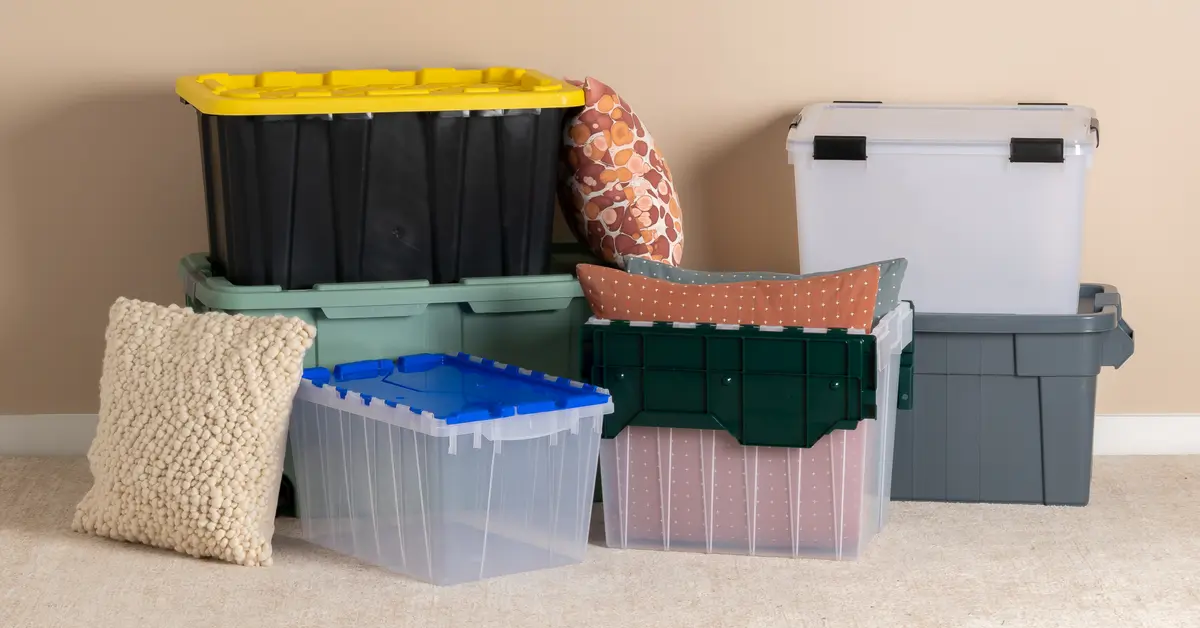
- Use sturdy boxes reinforced with tape
- Place on plastic pallets (not directly on concrete)
- Never stack too high (don't compress bottom boxes)
- Ensure weight is distributed evenly
Electronics:
- Store in sealed, labeled boxes
- Include desiccant packs to absorb moisture
- Keep documentation and power cords together
- Avoid stacking heavy items on top
Valuables:
- Photograph items before storage
- Keep inventory documentation separate (at home)
- Consider additional insurance for high-value items
Regular Maintenance
Monthly Check-Ins:
- Visit storage unit and walk through
- Check for signs of pests or moisture
- Ensure nothing has shifted or toppled
- Inspect climate control system is functioning
Quarterly Deep Checks:
- Open a few boxes to verify contents aren't damaged
- Check for water leaks or staining
- Reassess organization if accessing items frequently
- Update inventory if you add/remove items
Accessing Your Items
For One-Off Retrieval:
- Use your inventory spreadsheet/app to locate box number
- Schedule access with facility (some have limited hours)
- Return items to exact location to maintain organization
- Update inventory log
For Large Retrieval (Emptying Unit):
- Arrange with facility for extended access time
- Schedule with movers if items are going to new home
- Have your inventory checklist ready to verify all items
- Clean out unit completely (facility may charge if you leave items)
Cost-Saving Tips
- Annual vs. Monthly: Paying annually saves 10-20%
- Shared Storage: Smaller unit shared with trusted friend reduces cost by half
- Downsize Before Storing: Every box you don't store saves money
- Off-Peak Discounts: Ask about discounts for longer commitments
Professional warehouse storage, combined with systematic inventory tracking, takes the stress out of long-term storage. You'll know exactly what you have and where to find it whenever you need it.