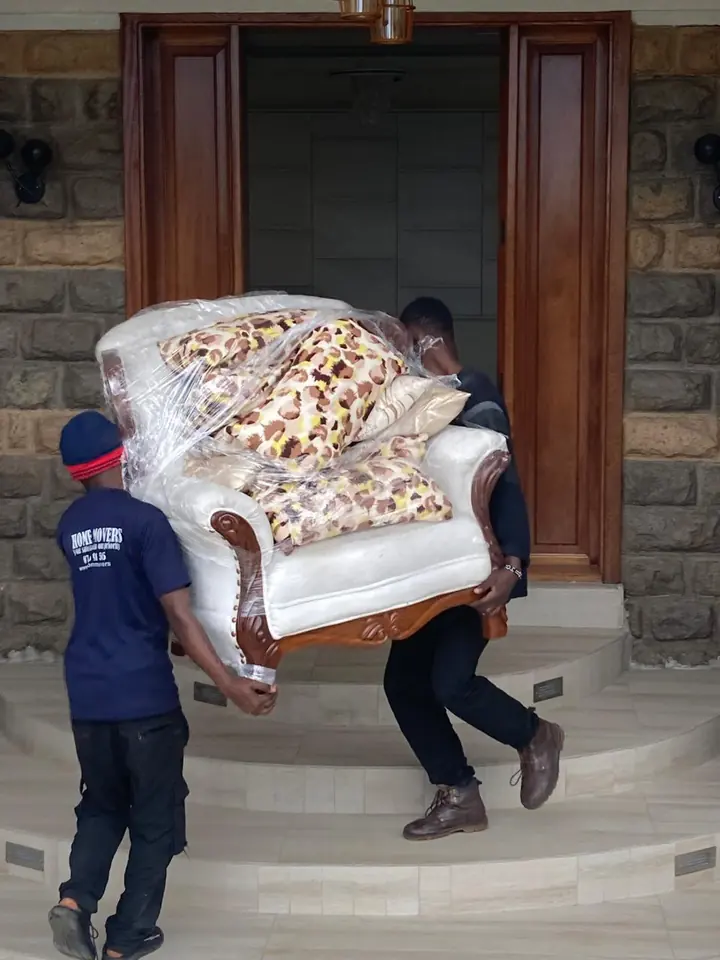
Glassware, electronics, framed artwork, ornaments and delicate household items need more attention than ordinary boxes when preparing for a move. A box may look secure from the outside but still allow its contents to collide, shift or absorb pressure during loading and transport. The safest approach is to select suitable materials, wrap items individually, prevent movement inside each box and make sure the packed items are handled appropriately.
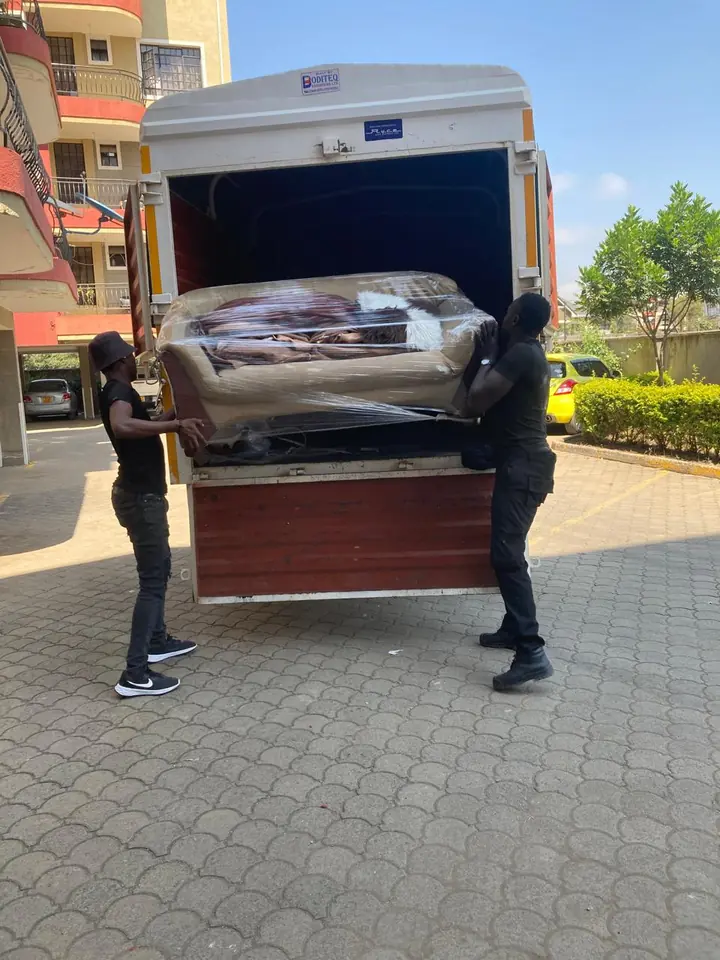
Choose Strong Boxes and Suitable Materials
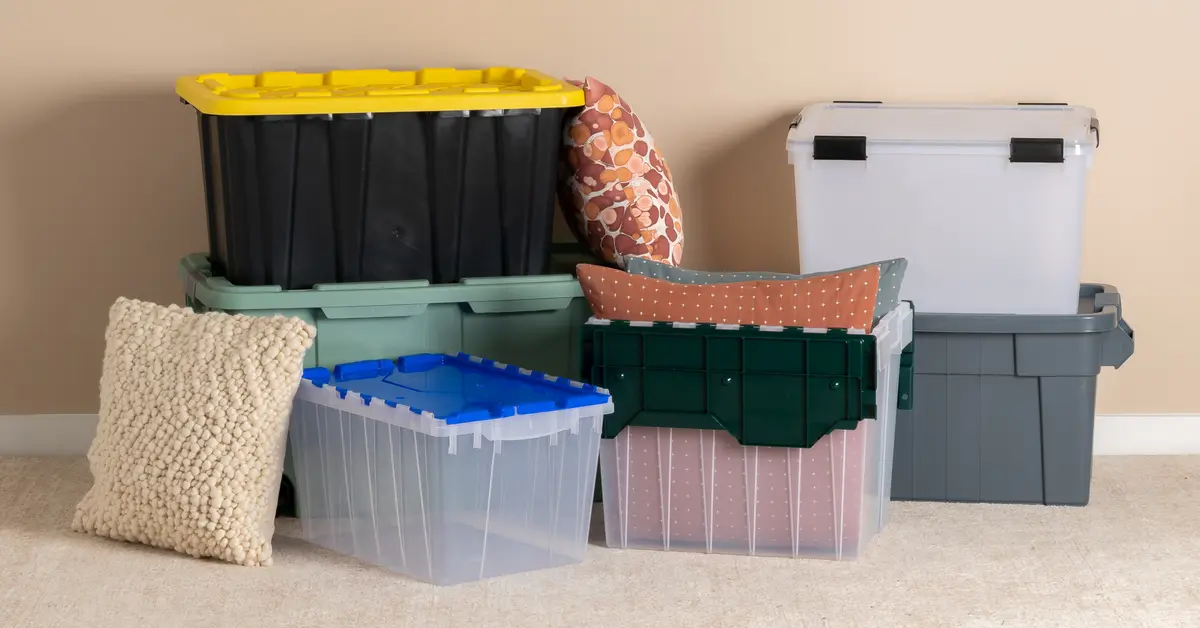
Start with clean, dry, sturdy cartons in sizes that are practical to lift. Very large boxes can become difficult to carry safely when filled with heavy fragile items. Use quality packing tape, clean packing paper, bubble wrap or suitable cushioning material. Specialised dividers can help separate glasses, bottles and other items that could knock against each other.
Check used cartons carefully before reusing them. Avoid boxes that are damp, crushed, torn or weakened at the corners. Reinforce the bottom with suitable packing tape and make sure the box can support its contents without bending.
Wrap Plates, Cups and Glassware Individually
Wrap each plate separately using packing paper or another suitable protective material. Stack plates in a stable arrangement with cushioning between them, and avoid leaving empty spaces where they can move. Place heavier items at the bottom and lighter items above them.
Wrap cups and glasses individually, paying attention to handles, rims and stems. Use cell dividers where available. Fill gaps with cushioning so the items cannot knock against one another. Do not force too many pieces into one carton, and avoid packing fragile items so tightly that pressure is placed on them.
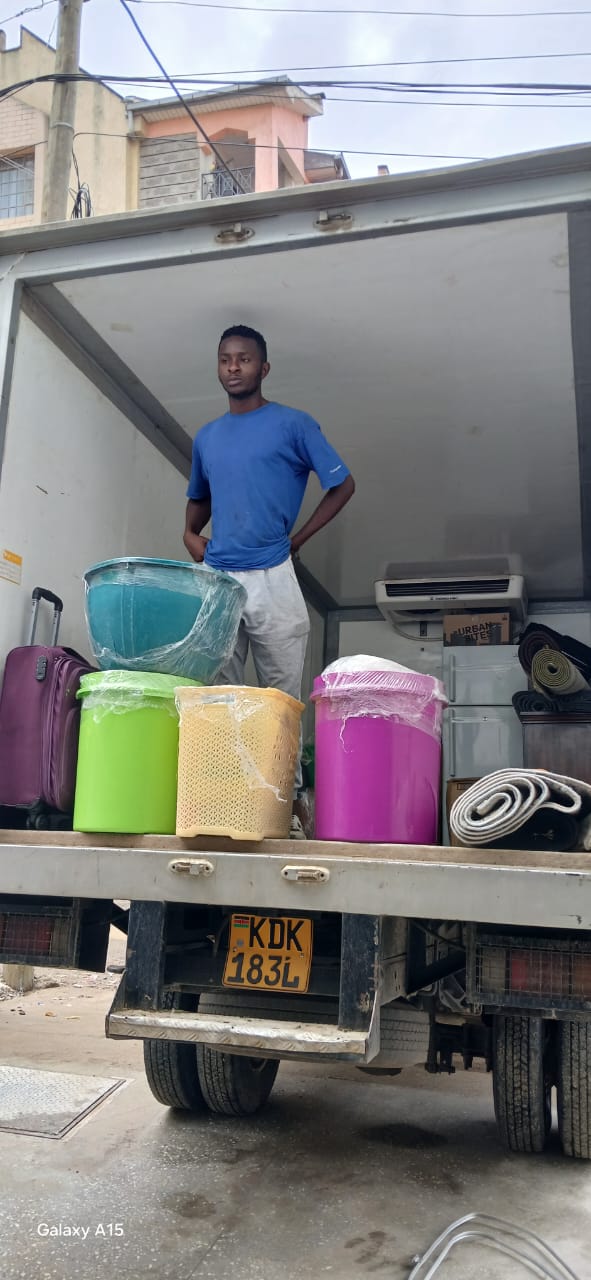
Protect Electronics and Appliances
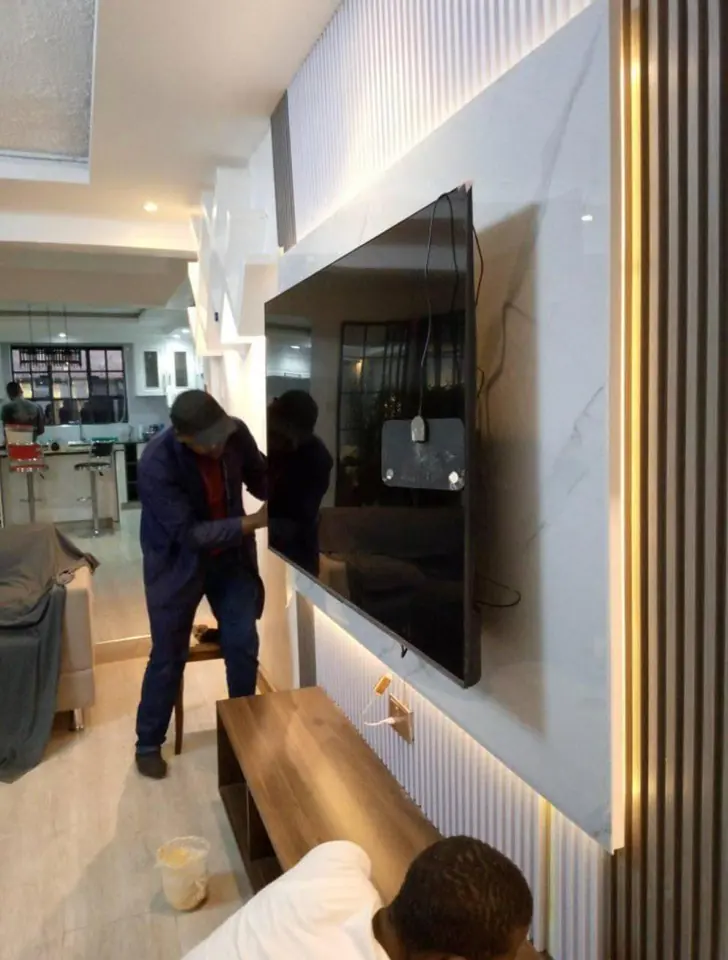
Where possible, use the original packaging for televisions, monitors, computers and other electronics. Original packaging is often designed around the shape of the product and may include fitted protective inserts. If it is unavailable, choose a suitably sized strong carton and use appropriate cushioning on all sides.
- Switch off and disconnect electronic equipment before packing.
- Allow equipment to cool before wrapping it.
- Remove loose accessories and pack them separately in labelled bags.
- Protect screens from pressure, scratches and direct contact with hard objects.
- Keep cables together and label them so reconnecting is easier.
- Follow the manufacturer's instructions for detachable parts and transportation.
For refrigerators and other large appliances, check the manufacturer's moving instructions. Some appliances need to be emptied, cleaned, defrosted or secured before transport. Do not assume every appliance can be handled in exactly the same way.
Pack Artwork, Mirrors and Decorative Items Carefully
Protect framed photographs, artwork and mirrors with suitable surface protection and cushioning around the edges and corners. Use a carton designed for flat or framed items where available. Avoid placing heavy objects against glass surfaces, and clearly identify items that must remain upright.
For valuable artwork, antiques or unusually shaped objects, consider professional packing advice. The material, value, size and construction of the item may require a more specialised solution than ordinary household wrapping.
Prevent Movement Inside Every Box
Internal movement is one of the main risks when packing fragile goods. Once items are wrapped and placed inside a carton, fill remaining gaps with suitable cushioning. Gently check whether the contents shift when the box is moved slightly. If they do, reopen it and add protection before sealing.
Keep the weight manageable. A carton that is too heavy can be dropped or handled awkwardly, while excessive pressure from stacked boxes can crush the contents. Separate heavy household goods from delicate items rather than combining them for convenience.
Label Boxes Clearly
Use clear labels showing the destination room and a short description of the contents. Mark fragile cartons on more than one side and indicate the correct upright position where necessary. Labelling helps the moving team identify items that need additional attention, but it does not replace proper packing or careful handling.
Keep an inventory of particularly valuable items and take photographs of their condition before packing. Retain any purchase records, serial numbers or other useful documentation separately.
Items to Keep Separate From the Moving Boxes
Some belongings are better kept with you rather than packed into the main moving load. These may include identity documents, cash, jewellery, essential medication, keys, phones, laptops needed during the journey and important personal records. Also check the moving company's rules for hazardous, perishable or restricted items before packing them.
Fragile Packing Checklist
- Choose strong, dry cartons that suit the weight and size of the contents.
- Reinforce carton bases and inspect them for damage.
- Wrap each fragile item separately.
- Use dividers for glasses and other items that may collide.
- Cushion corners, edges and empty spaces.
- Keep heavy items out of cartons containing delicate goods.
- Label boxes clearly and indicate the correct orientation.
- Photograph valuable items before packing.
- Keep essential documents and valuables with you.
Frequently Asked Questions
Should I use newspaper to wrap fragile items?
Clean packing paper is generally preferable for dishes and items that may be marked by newspaper ink. Bubble wrap and other suitable cushioning materials can provide additional protection where needed.
Should plates be packed flat or upright?
Plates are commonly packed on their edges, with individual wrapping and cushioning between them. Keep the stack stable and prevent movement inside the carton.
Is writing "Fragile" on a box enough?
No. Labelling communicates that an item needs careful handling, but the contents must still be properly wrapped, cushioned and secured. A poorly packed fragile box can still be damaged even when clearly labelled.
Should I keep the original television box?
If you still have it and its protective inserts are in good condition, it can be useful for transport. Otherwise, use a suitable alternative carton with adequate protection for the screen and other vulnerable parts.
Make Fragile Packing Part of Your Moving Plan
Careful packing starts before moving day. Identify delicate belongings early, obtain suitable materials and allow enough time to wrap and label them properly. For unusually valuable or difficult-to-pack items, ask about specialised packing arrangements before the move.
SmilesKenya Movers can help organise the collection, transport and delivery of your household belongings. When requesting a quotation, mention fragile items, electronics, artwork and any special handling requirements.
Read our moving checklist and learn about common moving mistakes to avoid.