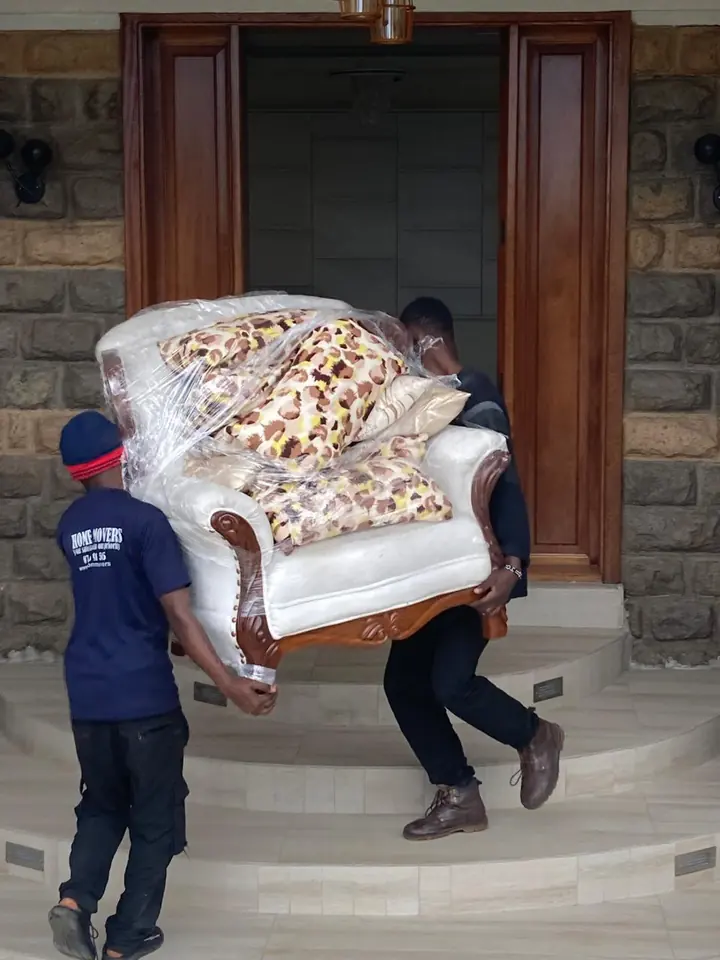
Moving into a new house is a good opportunity to inspect the property for signs of pests before furniture, food supplies and household belongings arrive. In Kenya, common concerns include termites, cockroaches, ants, rodents and bedbugs. Some properties may need professional pest treatment before occupation, while others may only need routine cleaning and monitoring. The important thing is to identify the problem before choosing a treatment.
Protect Your Furniture and Belongings
Some pests can damage household items as well as create an inconvenience. Termites can attack timber, while rodents may chew stored materials, wiring and packaging. Cockroaches and other insects can contaminate food-storage areas and affect cupboards. Before moving in, inspect wooden fittings, skirting boards, cupboards, wardrobes and storage spaces. Look for mud tubes, damaged wood, droppings, gnaw marks, shed insect skins or live pests.
If you find evidence of an infestation, identify the pest and ask a qualified pest-control provider to recommend an appropriate treatment. Do not assume that spraying every room is necessary or that one chemical application will solve every pest problem.
Consider Hygiene and Occupant Safety
Rodents, cockroaches and some other pests can contaminate surfaces and food-storage areas. Removing an infestation can therefore form part of preparing a clean home. However, fumigation itself is not a substitute for cleaning, repairing entry points, disposing of waste or correcting conditions that attract pests.
Ask the pest-control provider which products and methods will be used, what precautions are required, how long occupants must stay away and when treated areas can safely be re-entered. Follow the provider's instructions and product-label guidance. Pay particular attention to arrangements for children, pets, people with sensitivities and anyone who may be especially vulnerable to chemical exposure.
Treat Problems Before They Spread
Early inspection can help you identify an infestation while it is easier to manage. Check damp areas, kitchens, bathrooms, ceiling spaces, outdoor waste areas and timber structures. Seal suitable gaps, fix leaks, keep food in closed containers and remove rubbish promptly. These steps reduce conditions that may attract pests, although they do not replace professional treatment where an established infestation exists.
For bedbugs, inspect bed frames, mattress seams and furniture carefully, especially if the property was previously occupied or furnished. Avoid moving visibly infested furniture into a new home before getting advice on safe treatment. For suspected termites, arrange an inspection rather than relying on ordinary household insect spray.
Plan Treatment Around Moving Day
If treatment is needed, arrange it before your moving date where practical. The correct timing depends on the treatment method and the pest-control provider's instructions; there is no universal waiting period that applies to every product or property.
- Inspect the property before bringing in furniture and household goods.
- Arrange treatment with a qualified provider if signs of infestation are found.
- Ask for written instructions on preparation, ventilation and safe re-entry.
- Keep food, utensils, children's items and pet supplies protected as instructed.
- Complete any required cleaning only when the provider says it is safe.
- Keep the treatment record and any follow-up recommendations.
Coordinate Pest Control With Your Move
Tell your moving team about any known pest issue before loading household goods. This helps you plan how to handle affected items and avoid transferring pests from the old property to the new one. Where possible, complete the inspection and any necessary treatment before the main delivery and unpacking day.
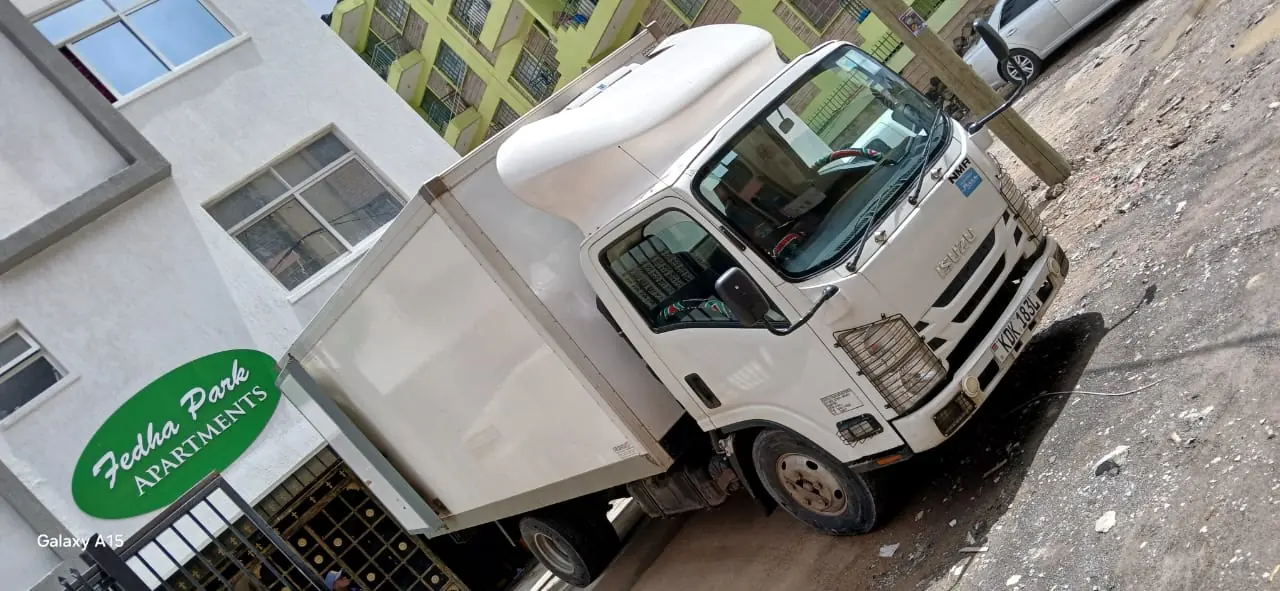
SmilesKenya Movers can help you plan the transport side of your relocation. Pest inspection and chemical treatment should be arranged separately with a qualified pest-control provider; do not assume these services are included in a standard moving package.
Frequently Asked Questions
Should I fumigate every new house before moving in?
Not necessarily. Inspect the property first. If there are signs of pests or a known infestation, seek advice from a qualified pest-control provider. The appropriate response depends on the pest, the extent of the problem and the treatment options.
How long should I wait before moving furniture into a treated house?
There is no single waiting period for all treatments. Ask the provider for the exact re-entry and occupancy instructions for the products and methods used. Do not move in until those instructions have been met.
Can I fumigate after my belongings have arrived?
That depends on the treatment and the items in the property. Some belongings may need to be removed, covered or handled in a particular way. Discuss the contents of the home with the provider before treatment begins.
Does fumigation prevent pests from returning?
No treatment can guarantee that pests will never return. Good sanitation, moisture control, waste management, sealing entry points and follow-up inspections can help reduce the risk of another infestation.
Prepare for a More Organised Move
Inspecting a new property before moving day gives you time to address pest problems without having to work around packed rooms and newly delivered furniture. For help organising the transport and delivery of your household belongings, contact SmilesKenya Movers.
Read our moving checklist to prepare for moving day, or learn about our house-moving service.