Moving into an apartment in Kenya requires more coordination than simply loading a truck and unloading at the new address. Access roads, parking, security procedures, lifts, staircases and shared corridors can all affect how long a move takes. Whether you are moving into an apartment in Nairobi, another major town or a residential estate, planning these details in advance helps protect your belongings and avoid unnecessary delays.
Confirm Building Rules Before Moving Day
Contact the caretaker, property manager or building management before your move. Ask whether there are approved moving hours, visitor registration procedures, security checks, deposits or permits. Some buildings restrict noisy activities or the use of service lifts during particular hours.
Confirm which entrance the movers should use and whether a service lift is available. If the building requires advance booking, reserve the lift and agree on the time window. Share the arrangements with everyone involved so that the moving team does not arrive before access has been approved.
Check Lift, Staircase and Doorway Measurements
Do not assume that furniture that fitted through the entrance of your old home will fit through the new apartment's access points. Measure the lift doorway, lift interior, apartment entrance, corridor turns and staircase landings. Compare these measurements with large items such as sofas, beds, wardrobes, refrigerators and dining tables.
Measure the height, width and depth of bulky items, including any parts that cannot be removed. Identify furniture that may need careful disassembly. If an item cannot safely fit through the available route, discuss alternatives before moving day rather than forcing it through a narrow space.
Arrange Parking and Loading Access
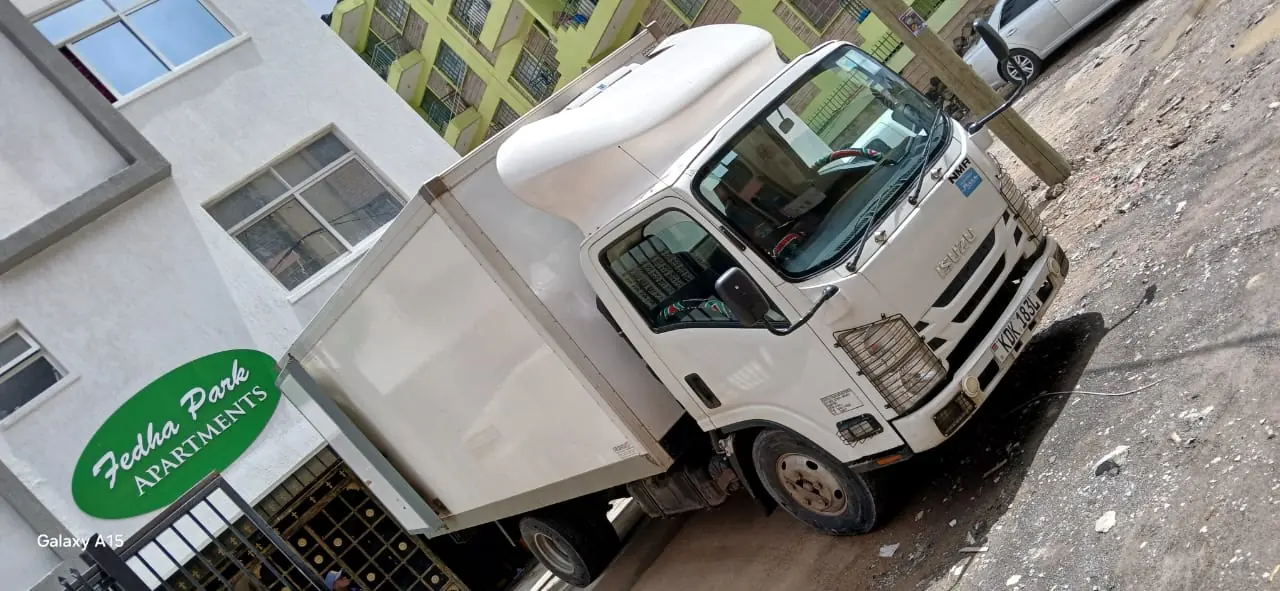
Parking can be a major source of delays in apartment relocations. Ask management where the moving vehicle may stop, whether there is a loading bay and how long loading access is permitted. Check for height restrictions, narrow driveways, gates and security procedures that could affect the vehicle.
Where the truck cannot park close to the entrance, plan for the additional distance between the vehicle and the building. Keep the route clear and avoid blocking residents, emergency exits or neighbouring driveways. If the move requires several trips between the truck and apartment, allow enough time for safe handling.
Label and Organise Your Boxes
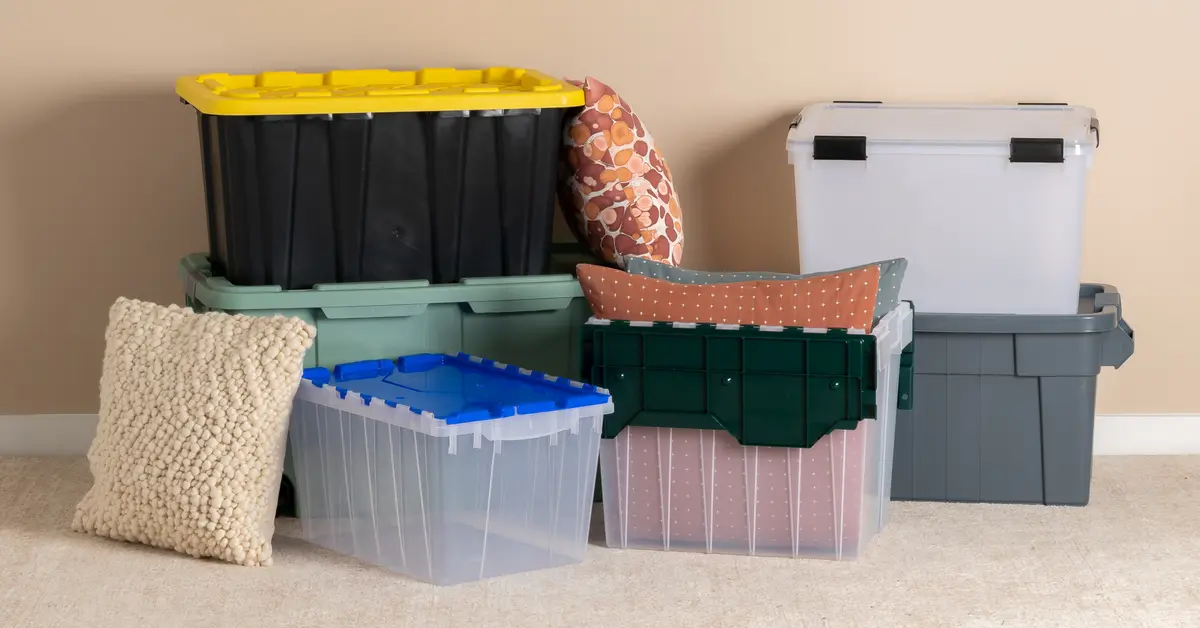
Label each box with its destination room and a short description of its contents. Mark fragile items clearly and indicate which boxes should remain upright. Numbering boxes and keeping a simple inventory can also help you check that everything has arrived.
Pack an essentials box separately. Include items you may need immediately, such as toiletries, phone chargers, basic cleaning supplies, drinking water, medication and a change of clothes. Keep important documents, keys, valuables and personal devices with you rather than placing them in the moving truck.
Use Professional Movers for Bulky and Fragile Items
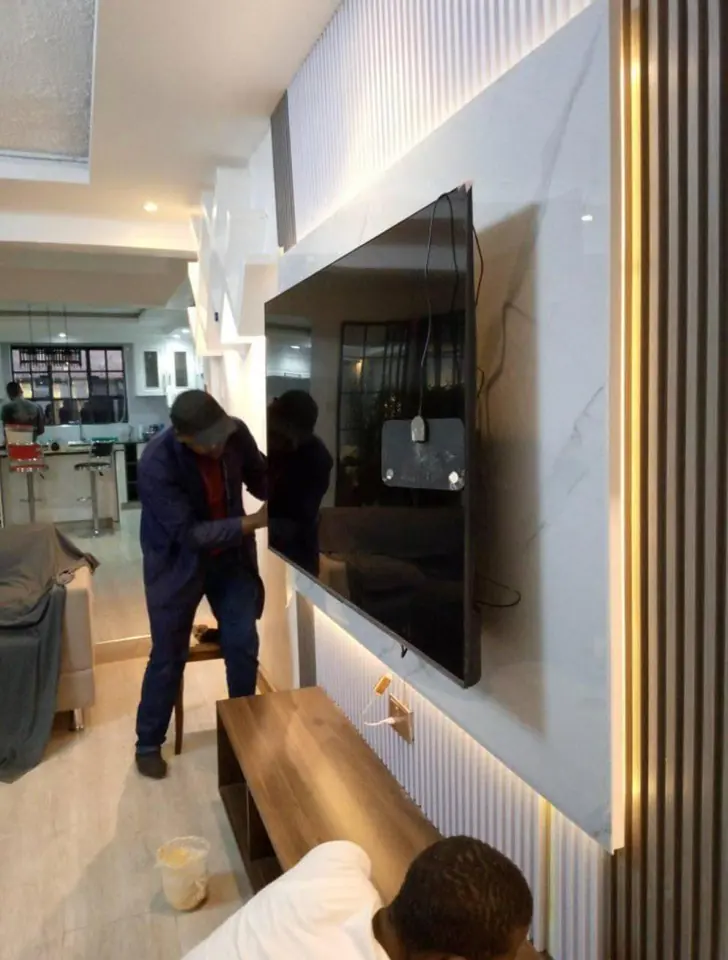
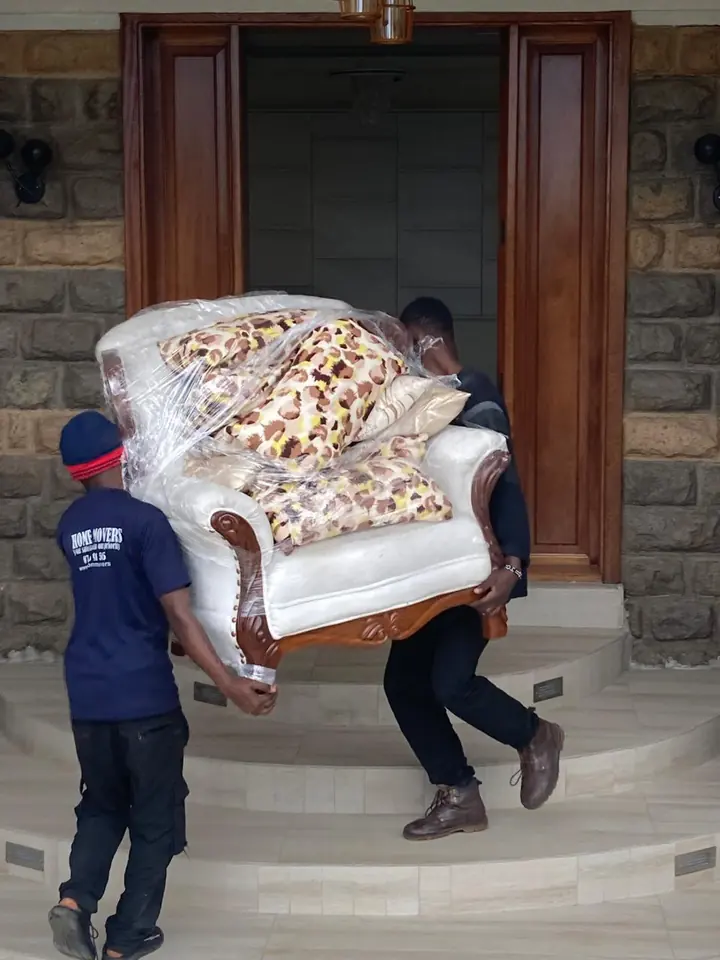
Large furniture and appliances can be difficult to manoeuvre through narrow corridors, staircases and lifts. A moving team with suitable equipment, protective materials and a clear handling plan can reduce the risk of damage to your belongings and the building.
When requesting a moving quotation, provide accurate information about the apartment floor, lift availability, staircase access, parking distance and any unusually large or heavy items. Share photographs or measurements where possible. This helps the moving company plan the right vehicle, team and equipment.
Protect Floors, Walls and Shared Areas
Apartment moves involve shared property as well as your own belongings. Use suitable protective covers for furniture, door frames, lift interiors and vulnerable floor surfaces where permitted. Secure loose cables and keep tools, packaging and boxes out of walkways.
Ask building management whether they require particular protective materials or supervision when using common areas. Avoid dragging furniture across floors, leaning heavy items against walls or leaving rubbish in corridors. Keep fire exits, stairwells and access routes unobstructed throughout the move.
Plan the Order of Loading and Unloading
Load items in a way that makes unloading practical. Clearly labelled boxes can be grouped by destination room, while heavy furniture and appliances should be secured appropriately in the vehicle. Fragile items need suitable protection and should not be placed beneath heavy loads.
At the new apartment, direct boxes to their intended rooms instead of leaving everything in the corridor or living area. This reduces repeated handling and makes unpacking more manageable. Check large items for visible damage and confirm that the main belongings have arrived before the moving team leaves.
Apartment Moving Day Checklist
- Confirm the moving date and approved building access hours.
- Book the service lift or loading area if required.
- Confirm parking arrangements and vehicle access.
- Measure lifts, doorways, corridors and large furniture.
- Disassemble suitable furniture and keep its fittings together.
- Label boxes by room and identify fragile contents.
- Keep valuables, documents, keys and essentials with you.
- Protect shared areas and keep walkways and fire exits clear.
- Check rooms, cupboards and storage spaces before handing over the old property.
- Inspect delivered belongings and confirm that nothing has been left behind.
Frequently Asked Questions
Should I book the apartment lift before moving?
Yes, if your building requires advance booking or restricts lift use. Confirm the available time window with management and share it with your moving team.
What if my sofa or wardrobe cannot fit in the lift?
Measure the staircase, landings and alternative access routes before moving day. Some furniture can be safely disassembled, but not every item can be taken apart. Discuss oversized items with your movers in advance and do not force furniture through an unsuitable opening.
How early should I arrange apartment moving access?
Contact building management as soon as your moving date is reasonably certain. This gives you time to reserve facilities, obtain any required approvals and resolve parking or access restrictions.
How can I reduce disruption to other residents?
Use the approved moving hours, keep shared corridors clear, protect common surfaces and communicate with building management. Organise loading and unloading so that doors, lifts and entrances are not blocked unnecessarily.
Make Your Apartment Move Easier to Manage
A successful apartment move depends on more than packing boxes. Confirming building access, measuring bulky furniture, planning parking and protecting shared spaces can prevent avoidable problems on moving day.
SmilesKenya Movers can help you plan the collection, transport and delivery of your household belongings. Share the details of both properties, including floors, lift access and large items, when requesting a moving quotation.
Use our moving checklist to prepare your household, or read common moving mistakes to avoid.