Downsizing is more than just moving to a smaller place—it's about intentionally choosing what brings value to your life. The process can be emotional, but it's also liberating. Here's how to do it right.
1. Get Clear on Your Why
Before you start sorting through decades of belongings, understand your motivation:
- Lower costs (rent, utilities, maintenance)?
- Simpler lifestyle?
- Moving closer to family or work?
- Retirement simplification?
Keep this motivation in front of you—it's your anchor when decisions get tough.
2. Measure Your New Space
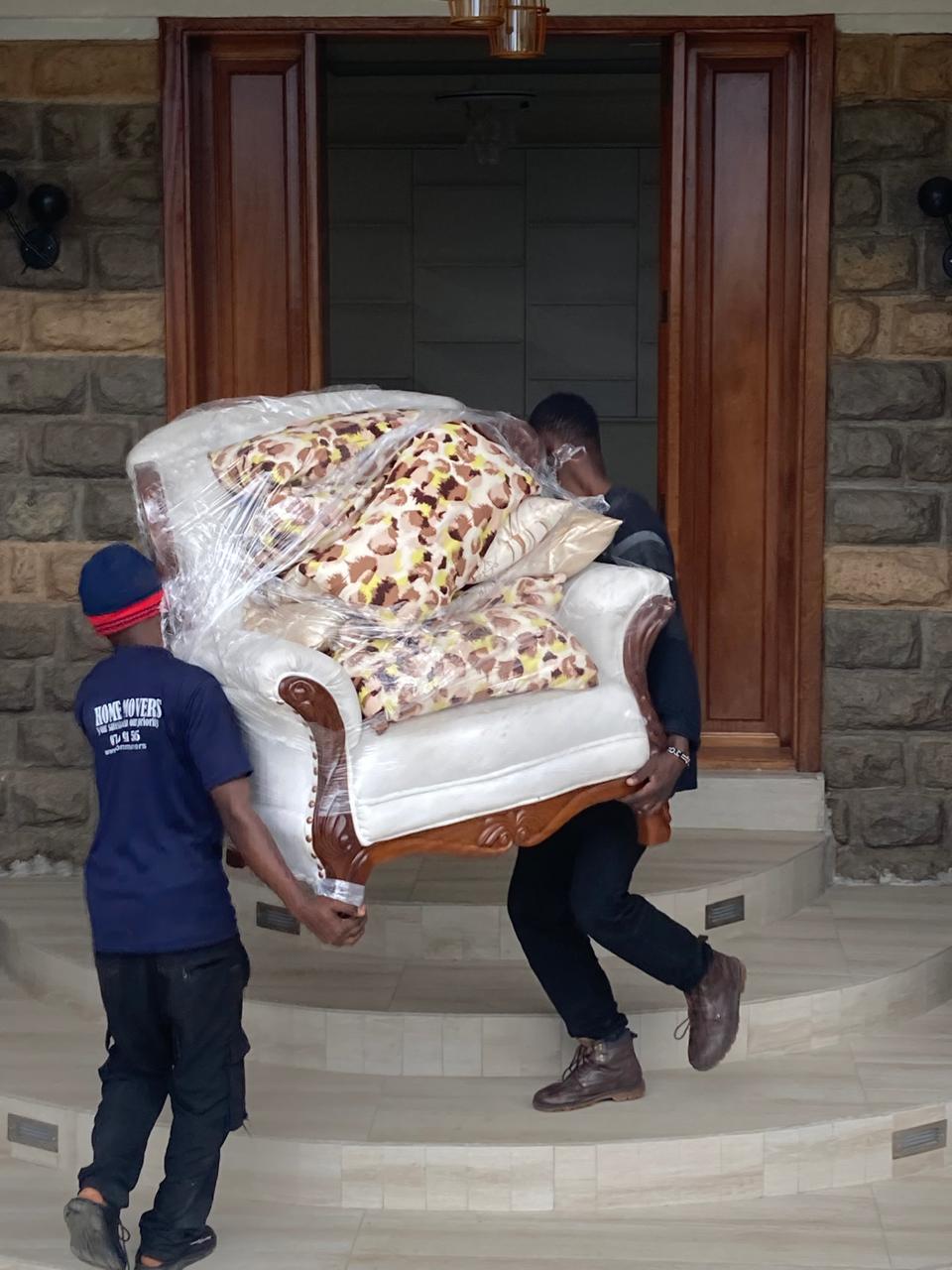
Get exact dimensions of your new home's rooms, closets, and storage. This is crucial—you can't keep eight bookcases if your new place has wall space for three. Measure doorways too; that oversized couch might not fit through the front door.
3. Start with Categories, Not Rooms
Instead of room-by-room, sort by category:
- Kitchen items (which pots, pans, and dishes do you actually use?)
- Clothing (try everything on; if it doesn't fit or you haven't worn it in a year, let it go)
- Books (honestly assess which ones you'll reread)
- Furniture (prioritize pieces you love and that fit the new space)
- Sentimental items (photograph them, keep just a few irreplaceable pieces)
4. Use the Four-Box Method
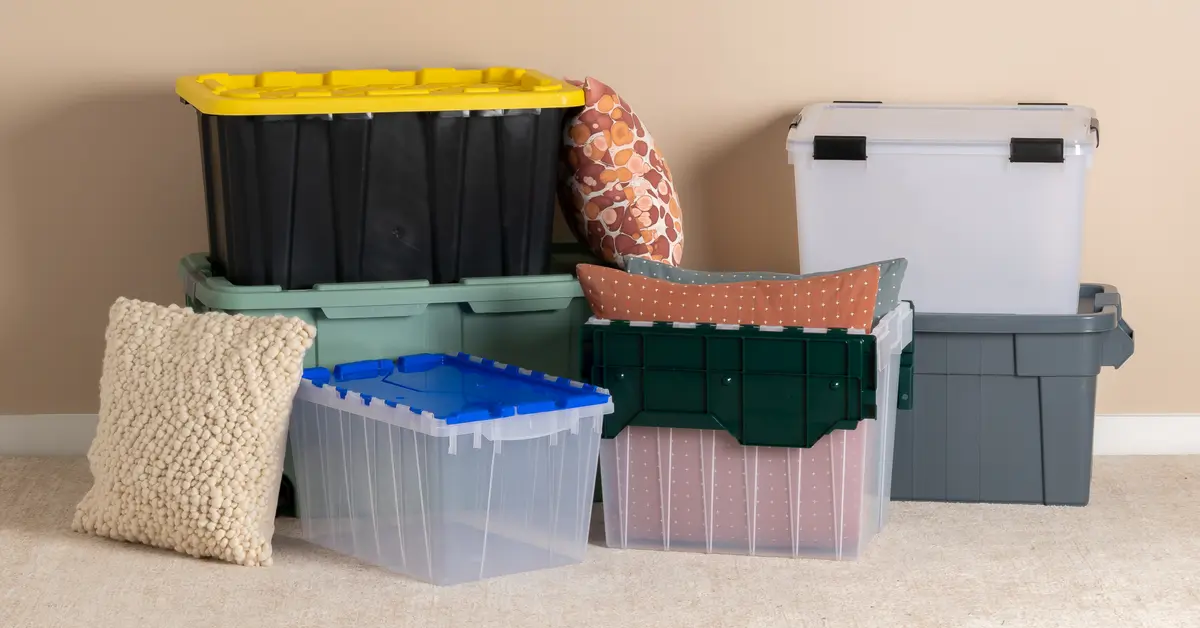
For each category, sort into four boxes:
- Keep: Items you love, use regularly, and that fit in your new space
- Donate: Items in good condition you no longer need
- Sell: Valuable items worth listing online
- Discard: Broken, worn-out, or unusable items
5. Be Ruthless with Furniture
Furniture takes up the most space and costs the most to move. Ask yourself:
- Does it fit in the new space?
- Do I truly love it, or am I keeping it out of obligation?
- Could I replace it with something more functional?
- Would I buy it again today?
If the answer to any is no, let it go. The money saved on moving costs alone can fund better, smaller-scale furniture for your new home.
6. Handle Sentimental Items Carefully
Sentimental items are the hardest to part with. Try this approach:
- Take photos of items before letting them go
- Create a digital album of memories
- Choose just the most meaningful pieces to keep physically
- Consider gifting items to family members who'll treasure them
7. Plan Your Transitions
Downsizing takes time. Start 3-4 months before your move:
- Month 1: Sort and declutter
- Month 2: Donate, sell, or arrange disposal
- Month 3: Pack what's left, organize the move
8. Calculate Your Savings
Track what you're eliminating. If you reduce your move by 20-30%, you're looking at substantial savings:
- Fewer boxes = lower moving costs
- Smaller truck needed = thousands in savings
- Less storage needed = ongoing cost reduction
Downsizing is an opportunity to be intentional about what you own and why. The lighter load you move with, the lighter you'll feel in your new space.