A rushed rental can turn into a costly dispute. Spending a few hours on checks before you pay saves a lot of trouble later. This is general information, not legal advice. If a dispute arises, seek advice from an advocate.

Before you view
- Search for the agent or landlord's name and for reports about the property.
- Be careful with listings that are far cheaper than similar units nearby.
- Never pay viewing or booking fees to someone you have not verified.
- Ask for photos and details of the exact unit, including floor and block.
Verify who you are paying
Confirm that the person letting the property is the owner or an authorised agent, and ask how they can show it. Pay through traceable channels, such as bank or mobile money in the name of a verifiable person or company, and ask for a receipt every time.
Inspect the exact unit
- View the unit you will actually get, not a show house.
- Run taps and check water pressure, and ask about water supply and storage tanks.
- Test sockets, lights and the electricity meter. Ask whether it is prepaid.
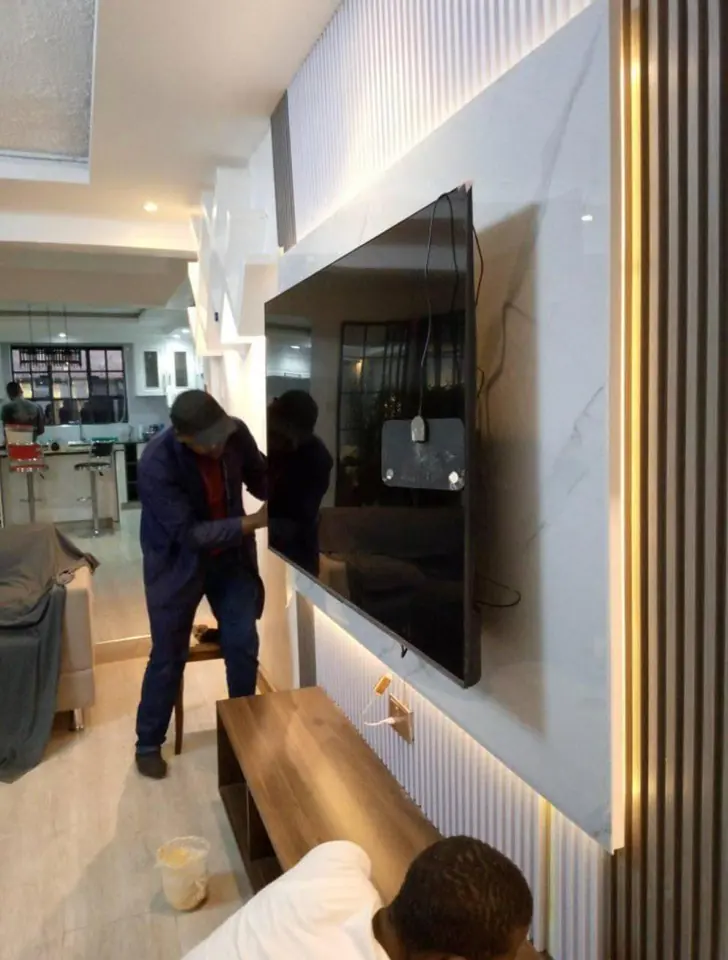
- Check locks, windows, doors, grilles and gates.
- Look for damp, cracks, leaks and signs of pests. See fumigation.
- Ask about security, parking, garbage collection and neighbours' noise.
- Check mobile network and internet options if you work from home.
Ask about the costs
- How much is the rent, and how often is it paid?
- How much is the deposit, who holds it, and under what conditions is it returned?
- Is there a service charge, and what does it cover?
- Who pays for water, electricity and garbage?
- How much notice is required for the landlord and the tenant?
Read the tenancy agreement
Get everything in writing. Read the clauses on rent increases, repairs, subletting, notice and the deposit. If anything is unclear, ask for it to be explained or changed before you sign. If the landlord will not put terms in writing, treat that as a warning sign.
Record the condition on day one
Photograph and video every room, every defect and the meter readings with the date, and share them with the landlord or agent in writing. These records are your best evidence when you want your deposit back. Our guides on the house inspection and getting your rental deposit back explain how.
Plan the move itself
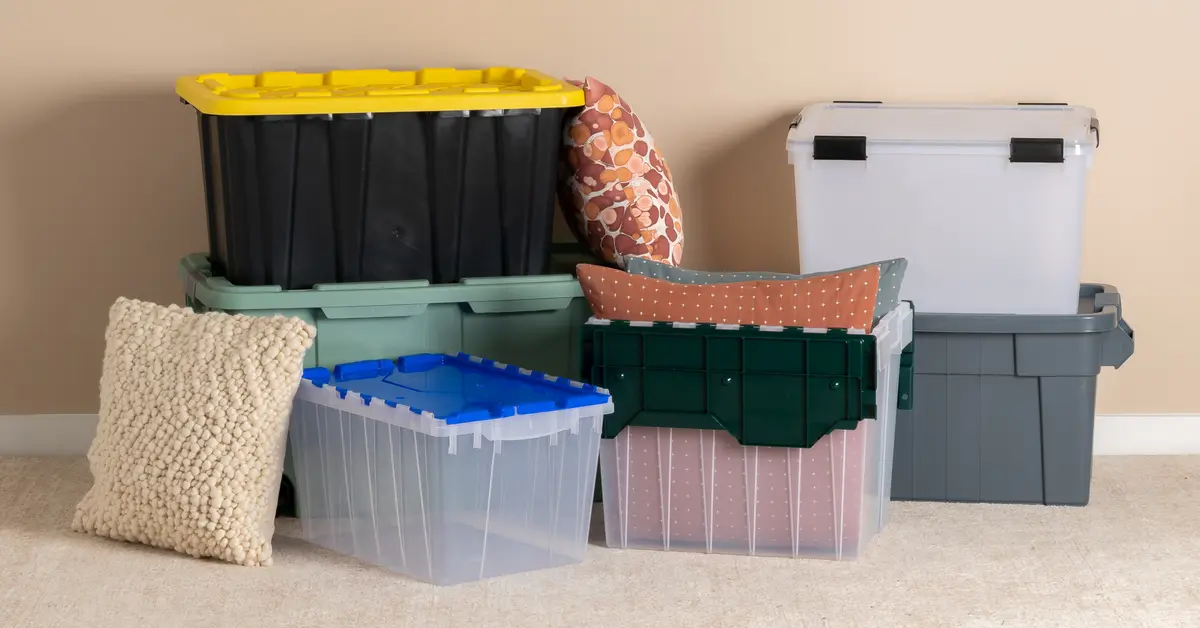
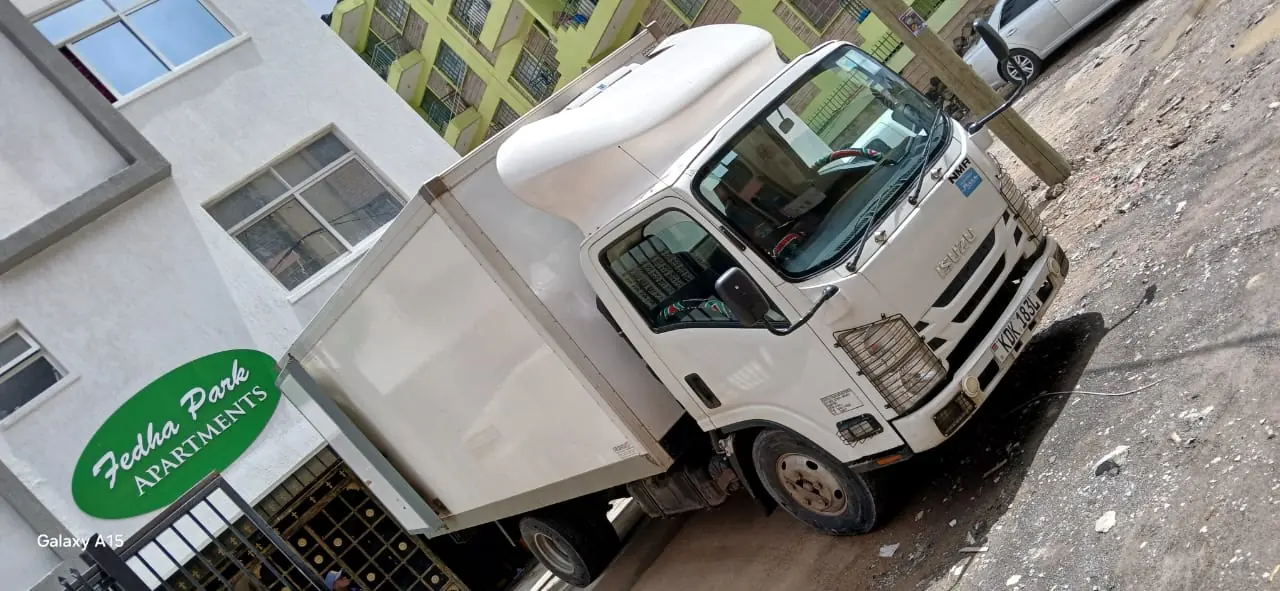
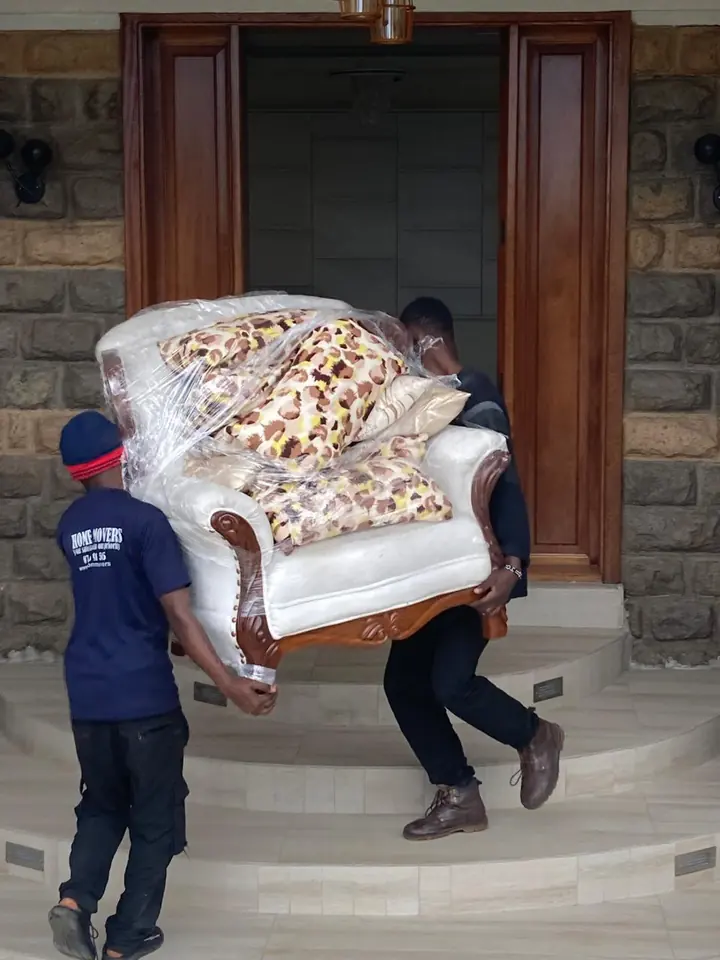
Book movers early, check estate move-in rules and the lift and gate hours, and confirm the unit is ready on the day. If there is a gap between leases, use short-term storage. For a sense of what each area is like, read Moving to Nairobi: neighborhoods compared.
Frequently asked questions
How can I avoid rental scams in Nairobi?
Verify the person you are paying, view the exact unit in person, avoid paying before seeing it, use traceable payments and get receipts and a written agreement.
Should I pay a deposit before viewing?
No. Do not pay before you have seen the exact unit and verified the landlord or agent.
How do I protect my deposit?
Record the condition on move-in day with dated photos, keep receipts and the agreement, and clean and document the unit when you leave.
Related reading
- Getting your rental deposit back
- House inspection before you move
- Moving to Nairobi: neighborhoods compared
Planning a move? Request a free quote and tell us what you are moving, where from and where to.