Moving elderly parents is more complex than moving younger family members. Beyond logistics, you're navigating emotional attachments to a longtime home, potential mobility limitations, and health considerations. Here's how to approach it with care and respect.
Start with a Conversation, Not a Decision
Before you start planning, sit down with your parents and discuss the move. Listen to their concerns:
- Fear of leaving a familiar home
- Worry about getting lost in a new place
- Anxiety about managing stairs or long hallways
- Reluctance to part with belongings and memories
Validate these feelings. The more involved your parents are in decision-making, the smoother the transition will be.

Choose an Accessible New Home
When selecting a new place, prioritize accessibility:
- Single-level or elevator access (stairs are a fall hazard)
- Wider doorways and hallways for mobility aids
- Bathroom grab bars and safety features
- Good lighting throughout
- Proximity to medical facilities and shops
- Friendly, responsive landlord or property management
Plan for Medical and Practical Needs
Before moving:
- Identify nearby doctors, pharmacies, and hospitals
- Arrange for medication transfers and refills
- Get copies of medical records from their current doctor
- Ensure new home has functioning emergency call system (if needed)
- Set up internet for video calls with family
Handle Downsizing Respectfully
Most elderly people own far more than fits in a smaller home. Approach this sensitively:
- Involve them in decisions—never throw things out without permission
- Take photos of items before parting with them (for memory preservation)
- Suggest donating to organizations or family members (gives purpose)
- Allow time—rush downsizing causes stress and resentment
- Keep irreplaceable sentimental items, even if they don't "fit"
On Moving Day
Don't make your elderly parent be present during the chaos:
- Arrange care or company for them on moving day
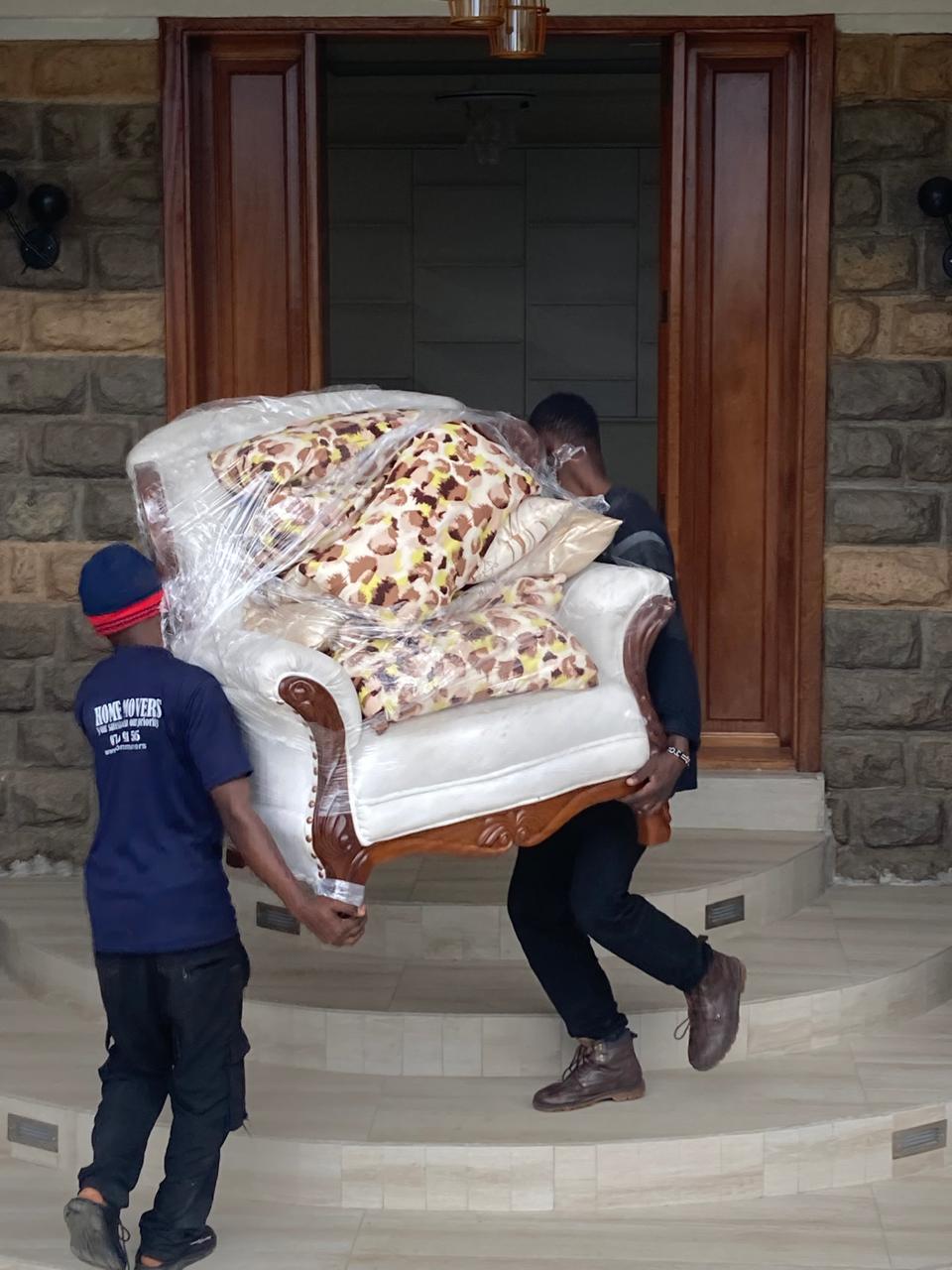
- Hire professional movers rather than burdening them
- Set up their bedroom first so they have a comfortable retreat
- Have favorite items easily accessible in the new home
Create Familiarity in the New Space
After moving, make the new home feel like home:
- Arrange furniture similarly to their old home
- Hang familiar photos and artwork early
- Use the same type of bedding they're used to
- Keep favorite plants, mementos, and comfort items visible
Be Patient with Adjustment
Elderly people can take weeks or months to adjust to a new environment. Be understanding if they're:
- Frustrated or emotional about the move
- Confused about where things are
- Homesick for their old place
Regular visits, phone calls, and encouragement help them settle in.
Moving elderly parents is an act of love that requires patience, sensitivity, and careful planning. When done right, it opens a new, potentially safer chapter of their life.