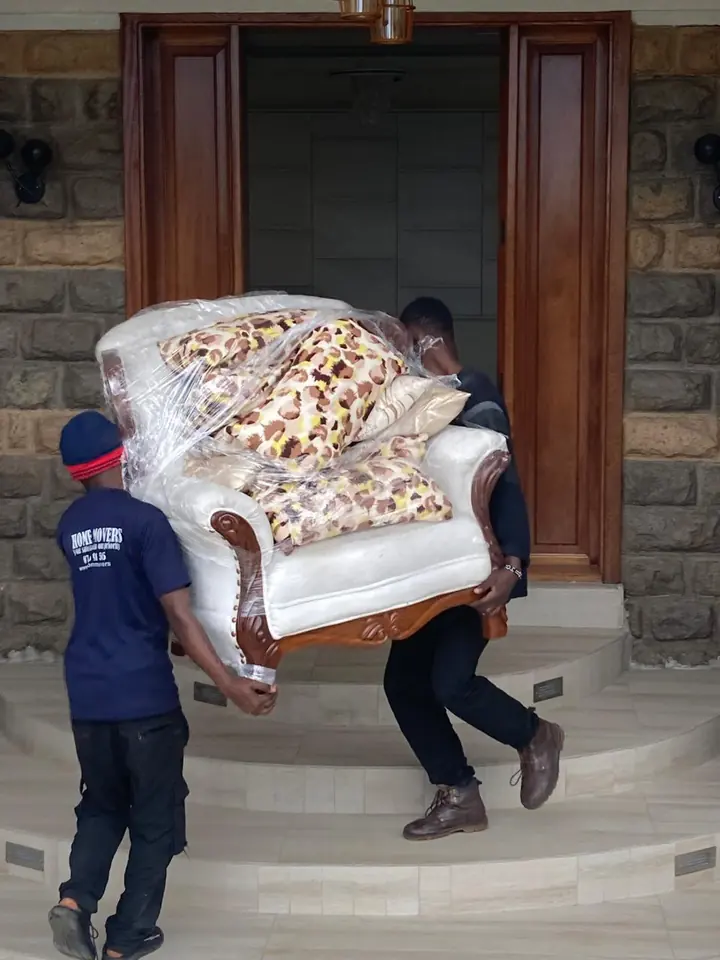
A well-loaded truck protects your furniture, speeds up unloading and keeps the vehicle stable on the road. A badly loaded one shifts, scratches and slows everyone down. Loading is mostly planning, and most of that planning happens before the first box leaves the house.
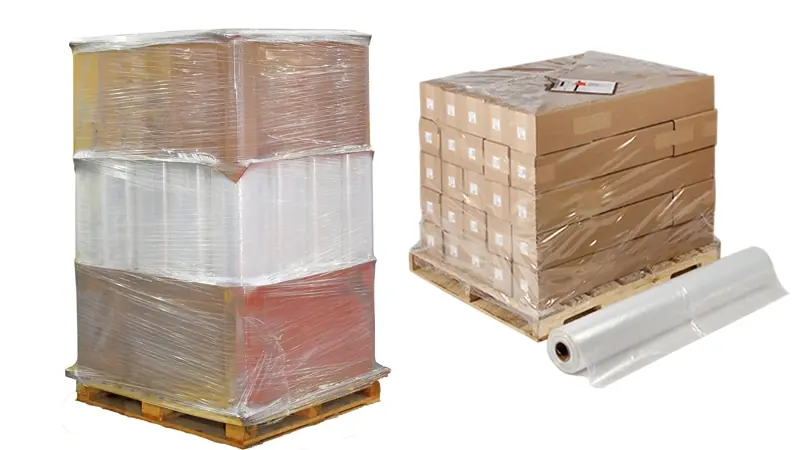
Stage everything before the truck arrives
The biggest time-waster on moving day is a crew standing around while items are still being found, emptied or taken apart. Before the truck arrives, get the house into a loadable state.
- Group boxes by room near the exit, with heavy boxes together and fragile ones kept separate and labelled.
- Take apart bed frames, tables and shelving, and keep screws in a labelled bag taped to the furniture.
- Empty and defrost the fridge a day ahead and let it dry so it does not leak onto other items.
- Secure washing machine drums and drain the hoses, following the manufacturer's transit instructions.
- Keep a path clear from every room to the door, including the gate and stairs.
The loading order that works
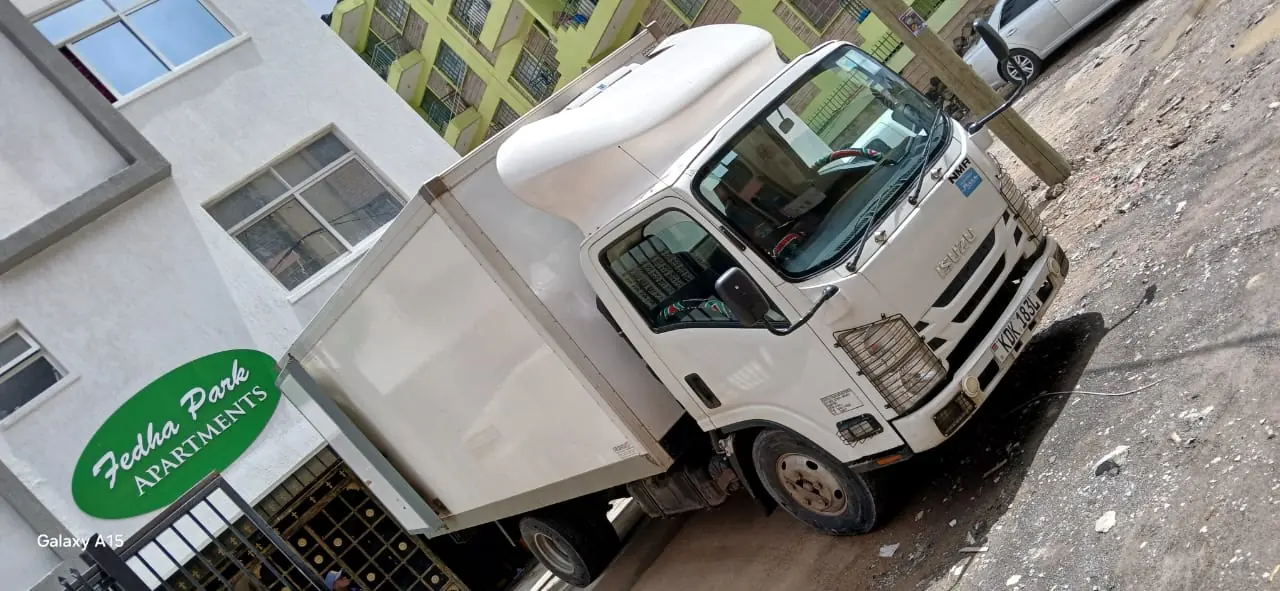
Think of the truck as a wall built in layers from front to back and floor to ceiling.
- First layer: fridge, washing machine, cooker, wardrobes and solid tables, placed against the wall nearest the cab.
- Second layer: sofas, mattresses, bed bases and long items, standing on their longest edge where they are stable.
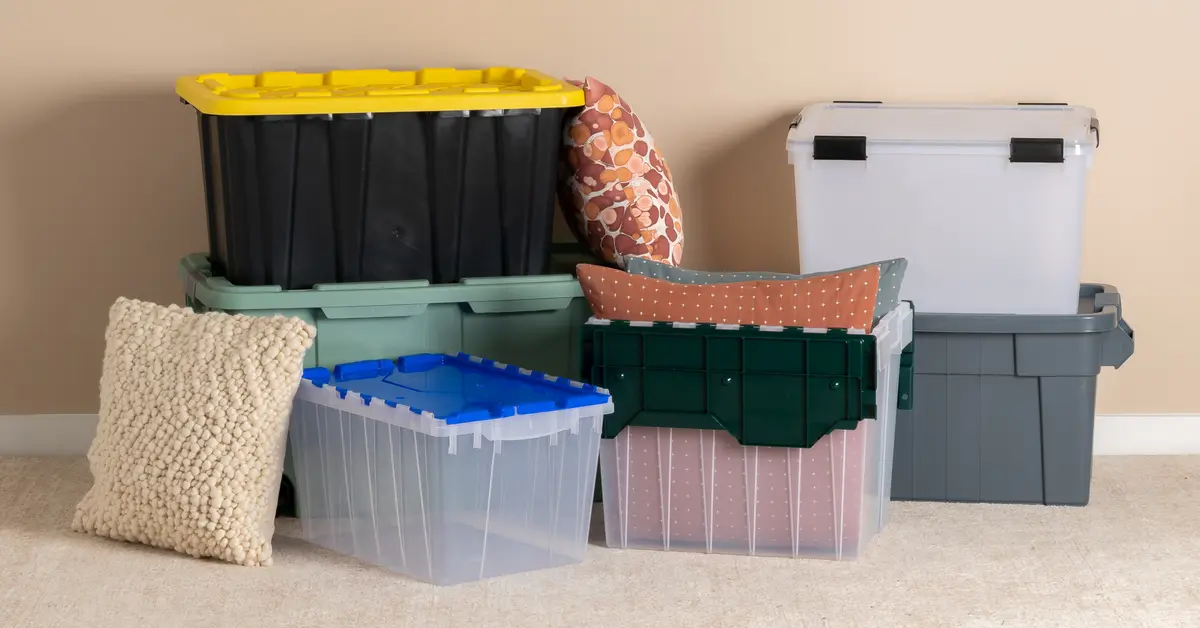
- Third layer: heavy boxes at the bottom of each stack and lighter boxes on top, with every stack as tight as possible.
- Final layer: fragile boxes, lamps, mirrors and plants, in a stable spot and not under anything heavy.
- Last in, first out: essentials box, tools, bedding and anything you need on arrival, placed near the door.
Weight and balance
Keep heavy weight low and towards the front, and spread it evenly from side to side. Uneven loads make a truck harder to steer and brake, especially on long routes such as Mombasa Road or Thika Road where speeds are higher and the road surface changes. Use soft items, such as cushions and bedding, to fill gaps rather than leaving air spaces.
Special items
- Fridges and freezers travel upright where possible. If one was tilted, check the manufacturer's guidance and leave it standing for a few hours before switching it on.
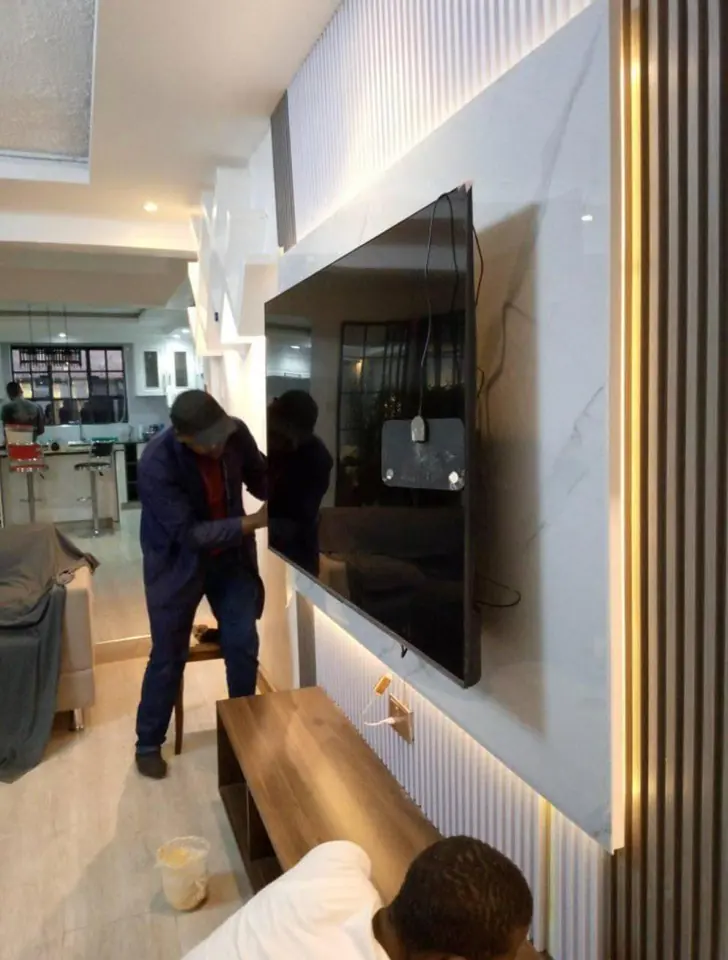
- TVs travel upright in their box or a padded cover and should never lie flat or carry weight.
- Mattresses go on their edge against the side wall, protected with a cover.
- Mirrors and framed pictures are best stood on edge between padded layers.
- Plants are best moved in your own vehicle.
Secure the load
Use moving blankets on corners and edges, and ropes or straps across each layer so nothing can shift when the truck brakes or turns. Check the load again after the first few kilometres. Our guide on packing fragile items covers what goes in boxes before it reaches the truck.
Unloading is loading in reverse
Whatever went in last comes out first. Decide room by room where large items will go before the truck opens, so the crew does not carry a wardrobe twice. Walk through with your inventory and tick items off as they come in.
Common mistakes
- Loading the lightest boxes first and burying them under furniture.
- Leaving gaps that let the load slide.
- Packing the essentials box deep in the truck.
- Not taking furniture apart, which wastes space and risks damage.
- Rushing the last layer and stacking heavy boxes on fragile ones.
Frequently asked questions
Should the heaviest items go in first or last?
First. Heavy items go on the floor against the front wall, which keeps the centre of gravity low and prevents them crushing lighter items.
How long does loading a two-bedroom home take?
It depends on the access, the number of items and the crew. Staging and disassembly before the truck arrives make a large difference, so do those the day before.
Can I load a truck myself?
For a small load, yes, if you follow the order above and use straps. For heavy appliances, stairs or valuable furniture, a trained crew reduces the risk of injury and damage.
Related reading
Planning a move? Request a free quote and tell us what you are moving, where from and where to.